


When people talk about Africa’s startup scene, Lagos and Nairobi often grab the headlines. These cities are undeniably influential — strong fintech ecosystems, burgeoning investment flows, and a roster of success stories to their names. But Africa’s innovation landscape is much broader. From East to West and North to South, several lesser-talked-about cities are emerging as vibrant tech hubs with unique strengths and growth stories worth watching.
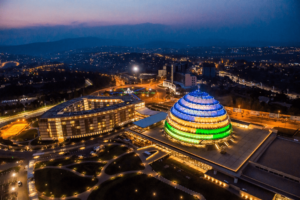
1. Kigali, Rwanda — Smart City Ambitions Meet Startup Growth
Rwanda’s capital is rapidly transforming into a tech and innovation epicenter, driven by forward-thinking government policies, ease of doing business, and strategic infrastructure planning. Kigali stands out for its focus on smart city solutions, AI, drone tech, and digital services — an approach that makes the city attractive for both startups and investors alike.
At the heart of Kigali’s tech push is Kigali Innovation City, a master-planned 60-hectare hub hosting universities like Carnegie Mellon Africa, startup incubators, and major tech players — all designed to nurture talent and attract global partnerships.
What makes Kigali special isn’t just its modern infrastructure — it’s the ease with which entrepreneurs can operate and scale in a relatively corruption-low environment, a rare advantage on the continent.
2. Accra, Ghana — Gateway to West African Innovation
Accra is fast rising as one of West Africa’s most exciting tech hubs outside Lagos. Ghana’s stable political environment and increasing mobile internet penetration have created fertile ground for startups — particularly in fintech, e-commerce, agritech, and AI solutions.
Accelerators, co-working spaces, and community builders have been scaling rapidly in Accra, helping founders refine products and attract capital regionally and internationally. The city is increasingly becoming a strategic base for startups targeting the larger ECOWAS market — a collective population of over 400 million people.
Notable tech spaces and communities — such as iSpace Foundation — provide mentorship, networking, and ecosystem support for early-stage founders in Ghana’s vibrant tech environment.
3. Johannesburg & Cape Town, South Africa — Mature and Diverse Innovation Clusters
Often lumped together under “South Africa,” Johannesburg and Cape Town are distinct but equally noteworthy innovation centers:
-
Johannesburg blends its role as a financial powerhouse with a growing tech identity — particularly in fintech, health, and logistics tech. Its mature infrastructure and global corporate presence provide startups access to capital and partnership opportunities.
-
Cape Town boasts a dynamic startup ecosystem with strengths in AI, cybersecurity, digital services, and creative tech culture. World-class universities like the University of Cape Town and Stellenbosch University feed the ecosystem with fresh talent, while local success stories continue to inspire new founders.
Startups in these cities benefit from vibrant coworking communities, active investor networks, and strong links to global markets, making them attractive launchpads for both African and international ventures.
4. Kampala, Uganda — Rising Star in East Africa
Kampala is quietly gaining recognition in the tech world, thanks to a growing number of startups tackling healthtech, mobile payments, agritech, and logistics challenges with locally contextualised solutions.
With increased access to mobile internet and supportive community hubs, Kampala’s entrepreneurs are building solutions rooted in local needs — from fintech platforms that improve financial inclusion to apps that modernise agricultural value chains.
Kampala’s inclusion in global tech ecosystem rankings underlines its rapid ascent and emerging role as a credible competitor among Africa’s tech cities.
5. Cairo, Egypt — North Africa’s Innovation Powerhouse
Though geographically distant from sub-Saharan Africa’s startup circuits, Cairo is firmly positioned as one of the continent’s major tech hubs. Egyptian cities like Cairo have seen significant startup growth, especially in logistics, proptech, fintech, edtech, and AI — making them a standout among North African ecosystems.
The city’s tech community benefits from a large talent pool, strong educational institutions, and strategic connectivity to both African and Middle Eastern markets — giving startups broad opportunities to scale regionally and beyond.
What This Means for Africa’s Tech Landscape
The rise of these “hidden” tech hubs shows that Africa’s innovation story isn’t confined to a few headline cities. Instead, it’s diverse, distributed, and rapidly evolving — with ecosystems adapting to local needs and global opportunities alike.
From smart cities in Kigali to emerging innovation districts in Accra, Johannesburg, Kampala, and Cairo, the continent’s tech ecosystem is becoming richer and more interconnected. Each of these hubs brings unique strengths to the table — whether it’s policy support, fast-growing talent pools, or strategic market access — and collectively, they’re shaping the next era of African innovation.